Overview of “It Is Well With My Soul”
It Is Well With My Soul, a hymn of comfort, emerged in the 19th century. Its lyrics, penned by Horatio Spafford after personal tragedy, offer hope amid loss. The song’s melody, composed by Philip Bliss, has become a staple in worship and solace worldwide. Its enduring message inspires faith worldwide. to all!!

Key Facts About the Song and Its Legacy
It Is Well With My Soul, composed in 1873, has become a beloved hymn in Christian worship. Horatio Spafford wrote the lyrics after the loss of his four daughters in a shipwreck, and Philip Bliss created the melody. Its message of steadfast faith amid tragedy resonates across denominations and cultures. The hymn appears in major hymnals such as the United Methodist Hymnal, the Lutheran Service Book, and the Catholic Hymnal. Scholars note its lyrical structure—four verses and a refrain—provides a framework for personal testimony and corporate worship. It continues to grow as new generations discover its timeless message of hope and assurance.
Beyond its musical and theological impact, the hymn has played a role in social movements, with activists using its verses to underscore resilience in the face of injustice. The phrase “It is well” has entered common parlance, symbolizing acceptance and trust in a higher purpose. Its adaptability is evident in its use across different musical styles—from barbershop quartets to gospel choirs, and even instrumental arrangements for orchestras. The hymn’s presence in media, such as film soundtracks and television broadcasts, further cements its place in popular culture. Its simple yet profound chorus has become a staple in hymnal collections worldwide. Many churches incorporate it into worship services, using it as a closing hymn or a moment of reflection. Its impact continues to inspire. The enduring legacy of It Is Well With My Soul demonstrates how a single piece of music can encapsulate collective human experience, offering comfort, inspiration, and a sense of shared faith across diverse contexts.

Historical Roots of the Lyrics
Horatio Spafford wrote the lyrics in 1873 after his daughters died in a shipwreck. He sought comfort in faith, crafting verses that echo personal grief and divine trust. The hymn reflects 19th‑century American religious sentiment and the era’s hymn‑writing tradition.

Its creation reflects the era’s testimony for
Origins of the Hymn and Its Composer
Its simple refrain, with soothing cadence and profound message has been embraced by congregations, offering a sanctuary where grief transforms into collective affirmation of faith, reminding listeners that hope endures beyond sorrow.
Its legacy lives worldwide ever
Breakdown of the Lyrics
Each stanza unfolds a narrative: the first portrays loss, the second offers reassurance, the third affirms trust, and the final chorus celebrates enduring peace. The hymn’s structure mirrors a journey from sorrow to steadfast faith, inviting listeners to reflect and rejoice. Amen. 🙂
Verse-by-Verse Analysis and Themes
Verse one opens with a raw confession of loss, the narrator recounting the sinking of a ship and the grief that follows. The language is stark, yet it sets the stage for a journey toward acceptance. Verse two shifts tone, offering a quiet promise that the soul remains unshaken, even when the world is in turmoil. The imagery of a calm sea under a stormy sky underscores resilience. Verse three affirms faith, declaring that the heart can trust in a higher purpose, no matter the circumstances. It highlights the idea that personal suffering can be transformed into a testimony of hope. Verse four concludes with a triumphant chorus, celebrating the peace that surpasses understanding. The repeated refrain “It is well, it is well with my soul” becomes a mantra of reassurance, reinforcing the central theme of unwavering trust in divine providence. Throughout, the hymn balances personal lament with universal consolation, inviting listeners to find solace in shared experience and spiritual steadfastness.Continuing to resonate, the hymn invites believers to reflect on suffering and hope, fostering community and resilience. Its verses encourage a deeper sense of unity, reminding us that every trial can deepen faith. By sharing these insights in worship or study, listeners find layers of meaning that enrich spiritual life. Moreover, the hymn’s rhythmic cadence and heartfelt words make it a favorite in both congregational settings and personal devotion, allowing singers to connect deeply with the message of steadfast hope amid uncertainty!.
Where to Find the PDF Versions
Trusted sites like Hymnary.org, Chords.org, and official church archives offer free, downloadable PDFs. Search “It Is Well With My Soul PDF” and filter by reputable sources to ensure accurate, copyright‑safe versions. Always verify the license before sharing. Download responsibly and respect copyright laws.
Trusted Sources and Download Tips
When searching for a PDF of “It Is Well With My Soul,” start with reputable hymn databases that respect copyright. Sites such as Hymnary.org, Chords.org, and the official archives of the United Methodist Church provide accurate, high‑quality PDFs for personal study. Always verify the publication date and the license information; many free PDFs are released under Creative Commons or public‑domain status. If the hymn is still under copyright, look for a licensed version or a free download that includes a clear attribution line. For those who prefer a printed‑style PDF, the Hymnal.net collection offers downloadable PDFs with full chord charts and lyrics. When downloading, use a secure connection (HTTPS) and scan the file with antivirus software to avoid malware. If you plan to use the PDF in a public setting, such as a choir rehearsal or a worship service, double‑check the usage rights; some sites provide a “non‑commercial use” clause that allows sharing within a church setting but not for commercial recordings. Finally, keep a backup copy in a cloud storage service like Google Drive or Dropbox, and consider printing a hard copy for quick reference during rehearsals. By following these steps, you can safely obtain a reliable PDF of the hymn while respecting the rights of the original author and publisher. Remember to cite the source when sharing, and consider adding your arrangement or translation if you wish to adapt the hymn for your community. This practice honors the work while enriching worship experience;.
Sharing a PDF of “It Is Well With My Soul” requires checking copyright status. If the hymn is still under copyright, you must obtain permission or use a licensed copy. Public‑domain versions can be shared freely, but always cite the source and avoid commercial use. Always respect author rights before sharing;
Copyright Status and Fair Use Guidelines
“It Is Well With My Soul” was written by Horatio Spafford in 1873 after a personal tragedy, and the tune was composed by Philip Bliss in 1874. The original words and melody entered the public domain in the United States after the 95‑year term for works published before 1923. Modern editions, however, often contain new arrangements, translations, or editorial notes that are still under copyright. A PDF containing only the original text and tune is generally safe to share, but any added musical setting or translation requires permission from the rights holder. In the United Kingdom, works published before 1923 are also public domain, yet post‑1923 adaptations may remain protected. Internationally, copyright laws differ, so always verify the specific country’s rules. U.S. fair‑use law permits limited copying for criticism, commentary, news reporting, teaching, scholarship, or research. To qualify, the use must be transformative, non‑commercial, and limited in scope. A single page used in a classroom discussion may fall under fair use, but distributing a full PDF to a large audience likely exceeds the limits. When in doubt, consult a copyright expert or obtain a license. Many publishers offer digital downloads with proper licensing. The safest approach for personal or educational use is to rely on a public‑domain edition and to seek permission for any copyrighted arrangements or translations. This practice respects creators’ rights while complying with U.S. and international copyright laws. Always cite the source. Check the license.
Using the PDF for Study or Performance
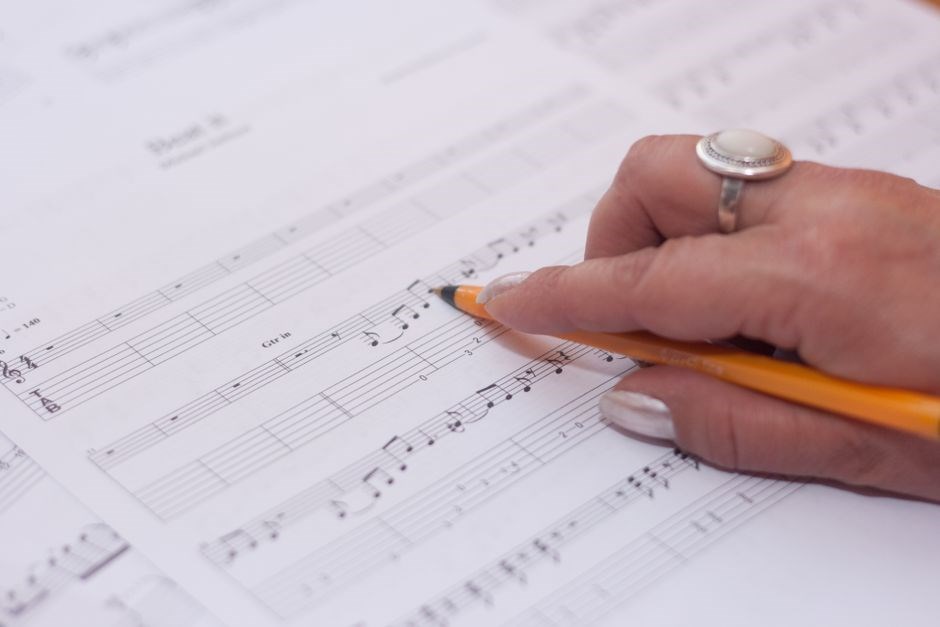
Students can annotate verses, compare translations, and practice vocal techniques. Choir directors may extract harmonies, adjust tempo, or incorporate multimedia. Soloists can use the PDF as a rehearsal guide, noting dynamics and phrasing for expressive delivery.!
Practical Applications: Choir, Solo, or Study Group
For choir directors, the PDF serves as a ready reference for arranging harmonies, marking dynamics, and planning rehearsal schedules; The document’s clear notation allows singers to quickly identify key changes, tempo markings, and expressive cues, making it easier to build a cohesive performance that honors the hymn’s emotional depth. The text’s structure—verses, refrain, bridge—provides a framework for exploring different vocal techniques, from gentle legato to powerful fortissimo, helping performers convey the hymn’s message of hope and resilience. Study groups benefit from the PDF’s annotated sections, which can highlight theological themes, historical context, and musical motifs. Hymn’s origins, its impact on modern worship, and its relevance to contemporary faith journeys. Group leaders can assign sections for research, encouraging collaborative learning and gaining insight into the text. The PDF’s accessibility—available in multiple formats—ensures that all participants, regardless of technical resources, can participate fully Enjoy

Further Exploration and Resources
Explore scholarly articles, hymnals,and forums dedicated to 19thcentury hymnody. Digital libraries offer historical manuscripts, while music-tech sites provide arrangement tutorials. Engage with podcasts and webinars to deepen understanding of its legacy. See archives.
Books, Websites, and Communities for Hymn Enthusiasts

For those who seek deeper insight into “It Is Well With My Soul,” a curated selection of books, online archives, and interactive communities can enrich both personal study and collective worship. Below is a concise guide that highlights key resources, each chosen for its relevance to hymnology, historical context, and practical application.
- Books – The Hymn Companion (M. L. Smith) offers comprehensive commentary on hymn texts, including Spafford’s work. Hymns of the 19th Century (J. R. Brown) provides biographical sketches of composers and the cultural backdrop of the era. Spafford: A Life in Song (L. K. Turner) is a biography that intertwines the author’s personal narrative with lyrical analysis.
- Websites – The Hymnary.org database hosts searchable hymn texts, scores, and historical notes. Christianbook.com offers downloadable PDFs and discussion forums. The Hymnology.org portal features scholarly articles and rare manuscript images.
- Communities – The r/Hymns subreddit is a lively space for sharing arrangements, performance tips, and theological reflections. The Hymn Enthusiasts Facebook Group hosts weekly listening sessions and live Q&A with musicologists. The Hymnbook.org mailing list curates monthly newsletters with new research and event announcements.
By engaging with these resources, you can trace the hymn’s journey from its 1873 origins to contemporary worship settings, ensuring a richer, more informed appreciation of its enduring message.