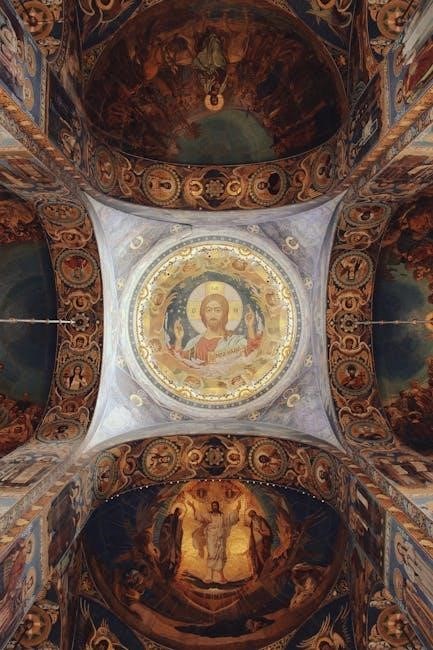
Russian Icons by Vladimir Ivanov: A Comprehensive Overview
Vladimir Ivanov’s 1988 Russian Icons, extensively illustrated with 160 images, uniquely unveils Russian religious life and iconography from an Orthodox perspective.
Vladimir Nikolaevich Ivanov (Ufa, Russian Federation) stands as a pivotal figure in the study of Russian iconography. His seminal work, Russian Icons (1988), represents a groundbreaking exploration, offering a comprehensive window into Russian religious life and artistic traditions. This publication, initially appearing in English, was the first to comprehensively review the iconographic tradition specifically from the perspective of the Russian Orthodox Church.
Ivanov’s research extends beyond generalized studies, delving into regional iconographic traditions, particularly those of the Southern Cis-Urals. His meticulous work, extensively illustrated with 160 previously unpublished images, provides invaluable insights into the evolution and spiritual significance of these sacred artworks.
The Significance of Russian Iconography
Russian iconography transcends mere artistic representation; it embodies profound theological underpinnings and serves as a vital link to the divine. Icons aren’t simply religious images, but are considered windows into heaven, facilitating veneration and spiritual connection.
As highlighted in Vladimir Ivanov’s work, these sacred paintings depict saints, thaumaturges, and particularly, the Virgin and Mother of God, each imbued with symbolic meaning. The presence of “the highest truth” is central, reflecting a deep connection to Russian philosophy and classical literature. Icons are integral to Russian religious life.
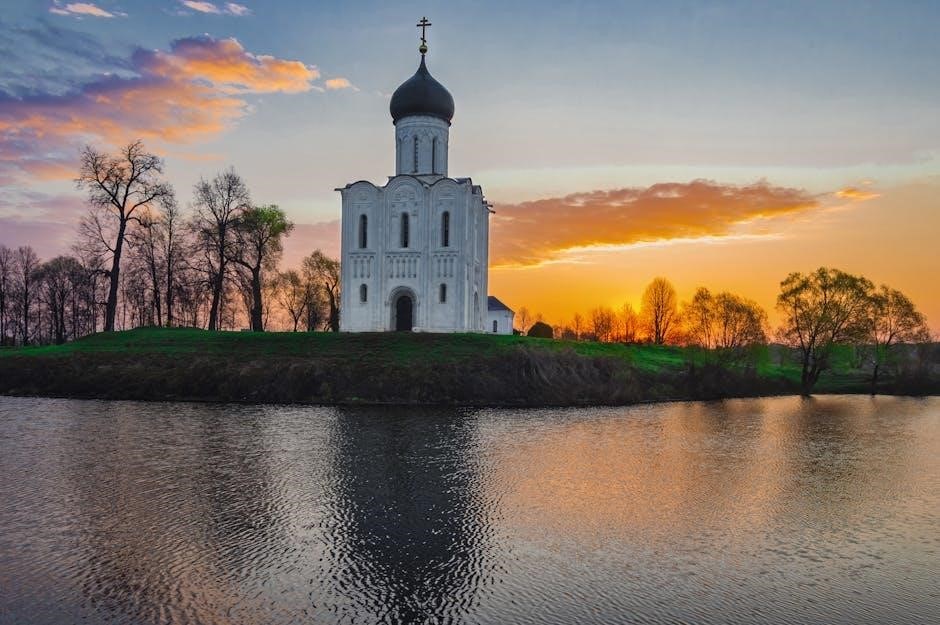
Historical Context of Russian Icons
Ivanov’s research traces Russian icon painting from its 11th-14th century origins, influenced by figures like Theophanes the Greek, evolving through various aesthetic developments.
11th ౼ 14th Century Origins
Vladimir Ivanov’s work meticulously examines the foundational period of Russian iconography, spanning the 11th through 14th centuries. This era witnessed the initial adoption and adaptation of Byzantine artistic traditions within the newly Christianized lands of Rus’. Early icons served not merely as religious art, but as vital components of liturgical practice and spiritual devotion.
Ivanov highlights how these nascent styles began to develop unique characteristics, diverging from their Byzantine prototypes. The artistic image reflected evolving theological understandings and the growing sense of a distinct Russian Orthodox identity. These early masterpieces laid the groundwork for subsequent stylistic innovations and the flourishing of icon painting in later centuries.
The Influence of Theophanes the Greek
Vladimir Ivanov emphasizes the pivotal role of Theophanes the Greek, a Byzantine master who profoundly impacted Russian icon painting in the late 14th and early 15th centuries. Arriving in Moscow, Theophanes introduced innovative techniques and a refined aesthetic sensibility, moving away from earlier, more rigid styles.
Ivanov’s analysis reveals how Theophanes’ influence extended beyond mere stylistic imitation; he fostered a new approach to composition, color, and the depiction of spiritual themes. His work served as a catalyst for the development of a uniquely Russian iconographic tradition, blending Byzantine heritage with local artistic expression and theological interpretations.
17th Century Aesthetic Developments
Vladimir Ivanov details the significant aesthetic shifts in 17th-century Russian iconography, a period marked by increasing sophistication and a move towards greater realism. This era witnessed the flourishing of the Stroganov style, characterized by its intricate detail, vibrant colors, and elongated figures, often depicting scenes with a narrative quality.
Ivanov highlights how the 17th century also saw a renewed interest in Western artistic influences, subtly integrated into traditional iconographic forms. This period’s icons often reflect the patronage of the Tsar and the growing wealth of the Russian Orthodox Church, resulting in lavish and ornate creations.
The Role of the Russian Orthodox Church
Vladimir Ivanov’s work emphasizes the central role of the Russian Orthodox Church in shaping the development and dissemination of icon painting. Icons weren’t merely artistic representations but were considered windows into the divine, integral to worship and spiritual life.
Ivanov details how the Church commissioned icons for cathedrals, monasteries – like the Sergius Lavra – and personal devotion, dictating stylistic conventions and theological accuracy. The Church’s patronage fueled workshops and supported generations of icon painters, preserving and evolving the tradition. This sacred art reflected and reinforced Orthodox beliefs.
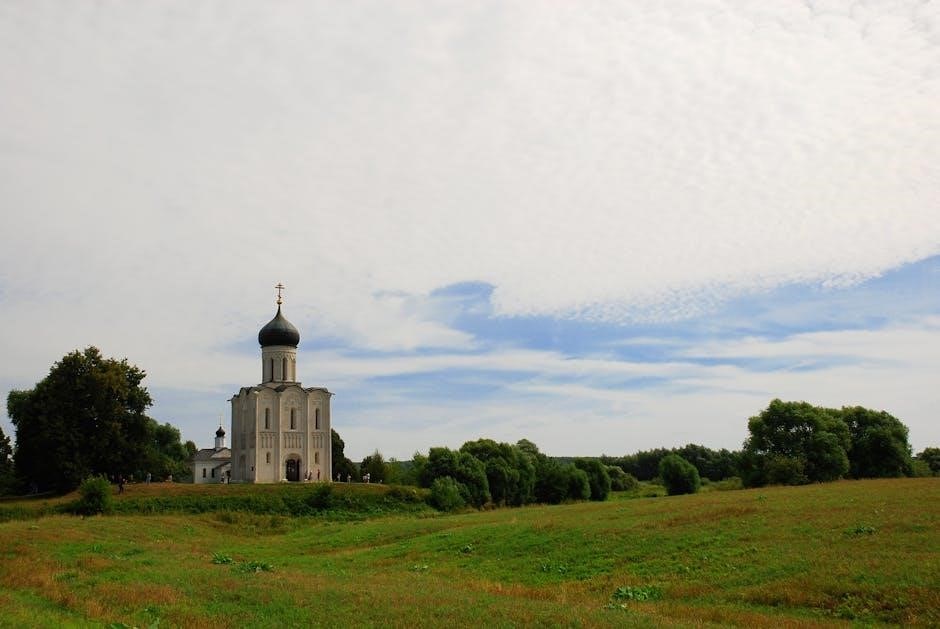
Vladimir Ivanov’s “Russian Icons” (1988)
Published in 1988, Ivanov’s Russian Icons was the first comprehensive review of the tradition from the perspective of the Russian Orthodox Church.
Overview of the Book’s Content
Vladimir Ivanov’s Russian Icons (1988) provides a detailed exploration of Russian icon painting, spanning from the 11th to the 19th centuries. The book delves into the origins, symbolism, and artistic imagery inherent within these sacred works. Featuring 160 illustrations, many previously unpublished, it examines various iconographic styles, including the Stroganov style and traditions of Vladimir-Suzdal and Moscow.
It also covers the roles of key figures like Simon Ushakov and Sergius of Radonezh, alongside the veneration of the Virgin. The work encompasses Russian art from the 18th and 19th centuries, alongside contemporary local artists, offering a broad perspective on the evolution of this art form.
The Book as a Window into Russian Religious Life
Ivanov’s Russian Icons serves as a crucial portal into understanding the deep connection between art and faith in Russia. The book illuminates how iconography wasn’t merely decorative, but a fundamental expression of theological beliefs and spiritual devotion within the Russian Orthodox Church. It reveals the significance of icons in personal piety and communal worship, showcasing their role in daily religious life.
Through detailed analysis and visual examples, the book unveils the sacred worldview embedded within each image, offering insights into the Russian soul and its enduring faith.
First Comprehensive Review from Orthodox Perspective
Vladimir Ivanov’s Russian Icons (1988) distinguished itself as the pioneering work to comprehensively examine the Russian iconographic tradition through the lens of the Russian Orthodox Church. Prior scholarship often lacked this crucial theological grounding, offering instead primarily art historical analyses. This book uniquely prioritizes the spiritual and doctrinal significance of icons.
It presented previously unpublished material, offering a fresh and authoritative perspective, establishing a new standard for understanding Russian sacred painting and its profound religious context.
Language and Publication Details (English Edition)
Vladimir Ivanov’s seminal work, Russian Icons, was originally published in 1988, with the English edition making its insights accessible to a wider international audience. The book’s title statement clearly identifies it as “Russian icons,” focusing on Russian art of the 18th-19th centuries and modern local artists.
The Library of Congress Control Number is recorded, and the work is attributed to Ivanov, Vladimir Nikolaevich. Notably, a fuller form of the title exists as “Grande libro delle icone Russe.”
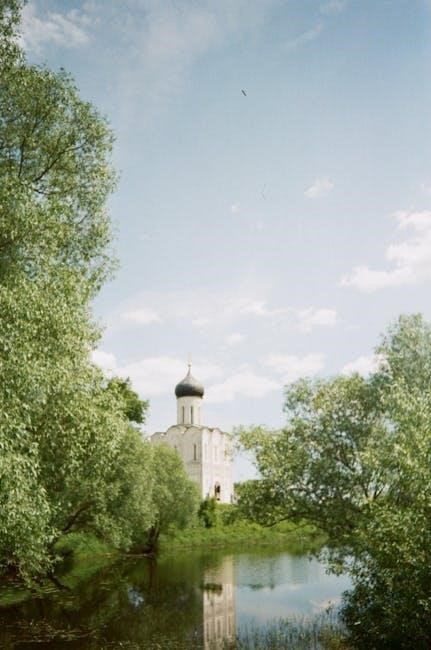
Iconographic Styles and Schools
Ivanov’s research details distinct styles like Stroganov, Vladimir-Suzdal, and Moscow icon painting, showcasing regional traditions and the evolution of Russian sacred art.
Stroganov Style Characteristics
Vladimir Ivanov’s work highlights the Stroganov style, emerging in the 17th century, as remarkably distinct. Characterized by refined elegance and a silver-dominated palette, these icons feature elongated figures and intricate detailing in clothing and architectural backgrounds.
The style, patronized by the wealthy Stroganov family, moved away from traditional Byzantine conventions, embracing a more decorative and individualized approach. Ivanov emphasizes the style’s unique application of tempera, creating a shimmering effect and a sense of ethereal beauty. This innovative style profoundly impacted Russian icon painting, influencing subsequent schools and artists.
Vladimir-Suzdal Icon Painting Tradition
Vladimir Ivanov’s research illuminates the Vladimir-Suzdal school, flourishing from the 12th to 14th centuries, as foundational to Russian iconography. This tradition, centered in the ancient cities of Vladimir and Suzdal, synthesized Byzantine influences with emerging local artistic sensibilities.
Icons from this period, as detailed by Ivanov, are known for their expressive faces, dynamic compositions, and rich, vibrant colors. They often depict scenes from the lives of saints and the Virgin Mary, reflecting the region’s deep religious devotion. This school established key stylistic elements that would shape future iconographic developments.
Moscow Icon Painting School
Vladimir Ivanov’s work highlights the Moscow Icon Painting School, gaining prominence from the 14th century onward as Moscow rose to political and religious power. This school synthesized Vladimir-Suzdal traditions with new influences, developing a distinct style characterized by refined detail and solemnity.
Ivanov details how Moscow icons often feature more complex compositions and a greater emphasis on architectural settings. Notable masters like Simon Ushakov, discussed by Ivanov, further refined the school’s aesthetic, establishing standards for iconographic representation that endured for centuries, impacting Russian sacred painting.
Key Figures in Russian Iconography
Vladimir Ivanov’s research spotlights Simon Ushakov and Sergius of Radonezh, central figures whose contributions profoundly shaped the veneration of the Virgin and iconographic traditions.
Simon Ushakov and His Contributions
Vladimir Ivanov’s work highlights Simon Ushakov as a pivotal 17th-century icon painter, representing a shift towards a more realistic and detailed style within the Moscow school. Ushakov, a court painter to the Tsar, blended traditional Byzantine techniques with emerging Western influences, creating icons that were both spiritually profound and artistically innovative.
Ivanov emphasizes Ushakov’s significance in standardizing iconographic patterns and establishing a new aesthetic that resonated throughout Russia. His icons often featured elaborate compositions and a refined use of color, reflecting the evolving tastes of the Russian Orthodox Church and the imperial court. Ushakov’s legacy continues to inspire and influence iconographers today.
Sergius of Radonezh in Iconography
Vladimir Ivanov’s analysis reveals Sergius of Radonezh as a profoundly important figure in Russian iconography, embodying spiritual ideals and national identity. Icons depicting Sergius, a 14th-century monastic founder, frequently portray him as a humble yet powerful spiritual leader, often shown in prayer or receiving divine visions.
Ivanov notes the consistent symbolic elements in these depictions – the schema (monastic habit), the scroll representing his teachings, and the surrounding landscape symbolizing his hermitage. These icons served not merely as religious images, but as powerful reminders of Sergius’s sanctity and his role in shaping Russian religious life and culture.
Veneration of the Virgin and Mother of God
Vladimir Ivanov’s work emphasizes the central role of the Virgin and Mother of God in Russian iconography and Orthodox devotion. Icons dedicated to the Theotokos (Mother of God) are the most prevalent and revered within the Russian tradition, representing a vital link to divine grace and compassion.
Ivanov details various iconographic types – such as the Vladimirskaya, Kazan, and Smolenskaya – each associated with specific miracles and historical events. These images weren’t simply artistic representations, but objects of intense veneration, believed to possess miraculous powers and offer protection to believers.
Themes and Symbolism in Russian Icons
Ivanov’s research reveals that Russian iconography’s theological underpinnings profoundly shape the representation of saints, thaumaturges, and spiritual concepts within sacred painting.
Theological Underpinnings of Iconography
Vladimir Ivanov’s work emphasizes that Russian iconography isn’t merely artistic representation, but a visual theology. Icons serve as “windows to heaven,” facilitating a direct connection with the divine. The depiction of figures isn’t naturalistic; instead, it adheres to strict canonical rules designed to convey spiritual truths.
These rules, rooted in Orthodox Christian doctrine, prioritize symbolism over realism. Colors, gestures, and compositions all carry specific theological meanings. The presence of the “highest truth” is paramount, reflecting a belief in the icon’s power to mediate between the earthly and heavenly realms. This deeply spiritual foundation distinguishes Russian icon painting and informs its unique aesthetic.
Representation of Saints and Thaumaturges
Vladimir Ivanov’s analysis reveals that Russian icons meticulously depict saints and thaumaturges (miracle-workers) not as idealized portraits, but as embodiments of divine grace. Figures like Sergius of Radonezh are rendered with specific attributes – scrolls, crosses, or gestures – signifying their spiritual roles and powers.
These depictions aren’t intended as historical accuracy, but as representations of their sanctified state. Icon painters followed established conventions to convey holiness and spiritual authority. The veneration of the Virgin and Mother of God is particularly prominent, with numerous iconic representations reflecting her central role in Orthodox theology and Russian religious life.
Spiritual Significance of Icon Painting
Vladimir Ivanov’s work emphasizes that Russian icon painting transcends mere artistry; it’s a deeply spiritual practice. Icons aren’t worshipped themselves, but serve as “windows to heaven,” facilitating communication with the divine. The theological underpinnings dictate every aspect – composition, color, and symbolism – aiming to evoke a sense of the sacred.
This spiritual dimension is rooted in the belief that the iconographer acts as a conduit for divine inspiration. The process itself, often undertaken in prayerful contemplation, is considered a form of worship. Icons are believed to possess a transformative power, fostering spiritual growth and devotion.
Materials and Techniques
Traditional Russian icon painting primarily utilized tempera on wood, employing specialized workshops for production, reflecting centuries-old techniques and sacred artistic practices.
Tempera on Wood: Traditional Methods
Tempera, a pigment mixed with egg yolk, was the foundational medium for Russian icons, applied meticulously to carefully prepared wooden panels – often linden or spruce. This technique, detailed in Ivanov’s work, demanded precise layering and a dedication to spiritual preparation by the artist. The wood was primed with levkas, a gesso made from chalk and glue, creating a smooth, luminous surface.
Gold leaf frequently adorned icons, symbolizing divine light, and was applied before the paint. Ivanov’s research highlights the symbolic weight of each material and step, connecting the physical creation to theological principles. The process wasn’t merely artistic; it was a devotional act, imbuing the icon with sacred power.
Workshops and Icon Production
Icon production in Russia wasn’t typically a solitary endeavor, but flourished within specialized workshops. Ivanov’s study reveals a hierarchical structure, with master icon painters leading teams of apprentices. These workshops, often attached to monasteries like the Sergius Lavra, fulfilled commissions from churches, nobility, and private individuals.
Dubrovskii’s research, referenced by Ivanov, details icon-makers in Vladimir province, showcasing regional variations. Workshops controlled all stages – from wood preparation and levkas application to painting and gilding. The scale of production varied, but quality and adherence to tradition remained paramount.
Notable Collections and Locations
Significant Russian icon collections reside within the Tretyakov State Gallery, Sergius Lavra, and Vladimir Dahl Russian State Literary Museum, offering invaluable resources.
Tretyakov State Gallery Holdings
The Tretyakov State Gallery boasts an exceptional collection of Russian icons, representing various schools and periods, from the 11th to the 19th centuries. These holdings provide a comprehensive overview of the evolution of Russian iconographic traditions.
Researchers studying Vladimir Ivanov’s work can benefit immensely from examining the Gallery’s pieces, as they exemplify the styles and themes discussed in his 1988 publication, Russian Icons. The collection includes examples of Stroganov style icons, works from the Vladimir-Suzdal tradition, and pieces from the Moscow school, allowing for direct comparison and analysis.
The Gallery’s extensive catalog and digital resources further facilitate research, making it a crucial location for scholars interested in Russian sacred art and the insights offered by Ivanov’s comprehensive overview.
Sergius Lavra Icon Collection
The Sergius Lavra, a significant spiritual center, houses a remarkable collection of Russian icons, deeply connected to the veneration of Sergius of Radonezh. This collection offers invaluable insights into the development of iconographic styles and the theological underpinnings of Russian Orthodox art.
Studying these icons alongside Vladimir Ivanov’s Russian Icons (1988) allows researchers to contextualize his analysis within a living tradition. The Lavra’s holdings showcase the representation of saints and the spiritual significance inherent in icon painting, themes central to Ivanov’s work.
The collection’s historical depth and spiritual importance make it a crucial resource for understanding the evolution of Russian iconography and its enduring legacy.
Vladimir Dahl Russian State Literary Museum
The Vladimir Dahl Russian State Literary Museum in Moscow holds a collection encompassing Russian icons alongside 18th and 19th-century art, and works by contemporary local artists. This diverse range provides a broader context for understanding the evolution of Russian sacred painting.
Exploring these icons in conjunction with Vladimir Ivanov’s Russian Icons (1988) enriches the understanding of regional iconographic traditions and stylistic developments. The museum’s holdings complement Ivanov’s research, offering visual examples of the themes he explores.
Its location and collection make it a valuable resource for studying the intersection of art, literature, and religious belief in Russia.
Ivanov V.A.’s Research in Southern Cis-Urals
Ivanov V.A.’s research, based in Ufa, Russia, focused on regional iconographic traditions within the Southern Cis-Urals, expanding the scope of study.
Focus on Regional Iconographic Traditions
Vladimir Ivanov’s investigations extended beyond established centers, delving into the unique iconographic traditions flourishing within the Southern Cis-Urals region of Russia. This geographical focus allowed for the discovery and documentation of previously uncatalogued examples of Russian sacred painting. His work illuminated the stylistic nuances and theological interpretations specific to local workshops and artists.
This regional emphasis broadened understanding of the diversity within Russian iconography, moving beyond Moscow and Vladimir-Suzdal schools. Ivanov’s research highlighted the contributions of lesser-known artistic centers, revealing a rich tapestry of devotional art reflecting local beliefs and practices. He meticulously examined the influence of regional characteristics on iconographic themes and techniques.

Further Research and Related Works
Dubrovskii’s study of icon makers in Vladimir province complements Ivanov’s work, alongside explorations connecting iconography to Russian philosophy and literature.
Dubrovskii’s Study of Icon Makers in Vladimir Province
P.S. and S.P. Dubrovskii’s 2008 publication, Ofeni-ikonshchiki vo Vladimirskoi gubernii (Ofeni-icon-makers in the Vladimir province), provides crucial supplementary research to Vladimir Ivanov’s broader overview. This work delves specifically into the artisans and workshops responsible for icon production within the Vladimir province, offering a localized perspective.
It illuminates the practical aspects of icon creation and the socio-economic context surrounding these skilled craftspeople. The study complements Ivanov’s analysis by grounding the theological and artistic elements within the tangible realities of regional production, revealing the lives and contributions of those directly involved in crafting these sacred images.
Connections to Russian Philosophy and Literature
Vladimir Ivanov’s work, and the study of Russian icons generally, resonates deeply with core tenets of Russian philosophical thought. The pursuit of “the highest truth” within icon painting, as noted in related scholarship, mirrors the spiritual quests explored by prominent Russian writers and thinkers.
This connection reaches its pinnacle in the works of authors like A.S. Pushkin, whose literary explorations often grapple with themes of faith, beauty, and the search for meaning. The iconographic tradition, therefore, isn’t isolated but interwoven with the broader currents of Russian intellectual and artistic history.
Orthographical Reform and Rusistika (Vyach. Ivanov)
Vyach. Ivanov’s research into orthographical reform, within the field of Rusistika (Russian studies), provides a crucial contextual layer when examining texts concerning Russian icons, including those by Vladimir Ivanov. Changes in spelling and linguistic norms impact the interpretation of historical documents and scholarly analyses.
Understanding these reforms is vital for accurately translating and comprehending original Russian sources related to iconographic traditions. This linguistic awareness ensures a nuanced appreciation of the cultural and religious significance embedded within the texts and the icons themselves, preserving their authentic meaning.