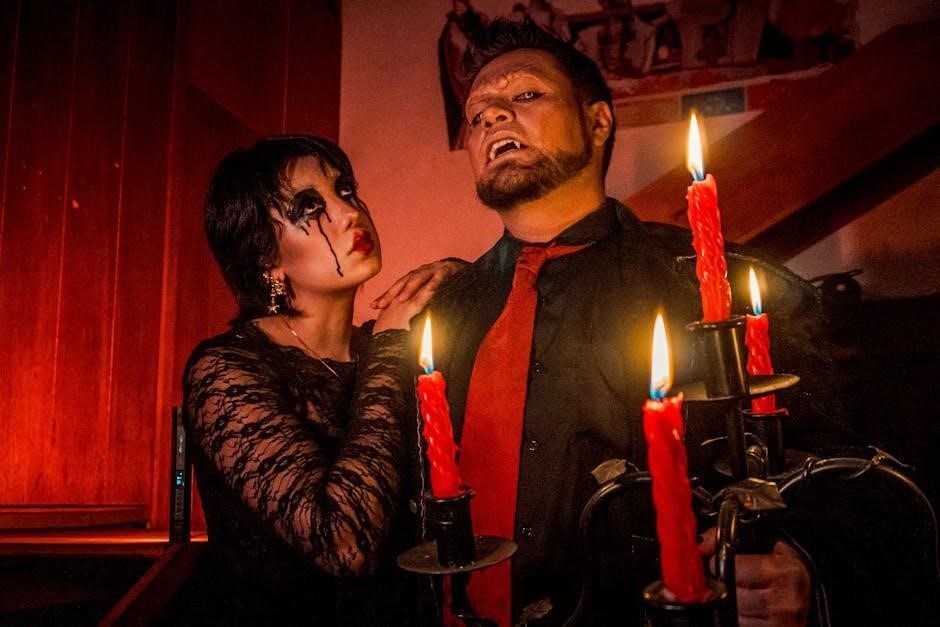
The Southerner’s Guide to Slaying Vampires
For generations, tales of the undead have echoed through the South, blending ancient beliefs with uniquely regional responses to these nocturnal predators.

Understanding the Vampire Threat: A Historical Southern Perspective

The Southern experience with vampire lore isn’t a direct import; it’s a fascinating adaptation of European traditions, filtered through the lens of Southern history and beliefs. While the modern vampire’s roots lie in 18th-century Southeastern Europe – particularly Transylvania – the anxieties that made the South receptive to these tales were already present.
Early settlers brought with them beliefs in demonic entities and blood-drinking spirits, precursors to the vampire as we know it. The isolation of plantation life, coupled with high mortality rates from disease and hardship, fostered a climate of fear and superstition. Stories of the restless dead, and unexplained illnesses, easily morphed into tales of nocturnal beings preying on the living. This wasn’t simply fear of the unknown, but a reflection of the harsh realities of Southern life, and a need to explain the unexplainable.

Vampire Lore Origins in Southeastern Europe
The vampire as a distinct folkloric creature truly solidified its form in the early 18th century, originating from the verbal traditions of Southeastern Europe, most notably Transylvania. Before this period, scattered beliefs in demonic entities and spirits consuming life force existed across various cultures – Mesopotamians, Hebrews, Ancient Greeks, and Romans all possessed similar tales.
However, the specific characteristics we associate with vampires today – aversion to sunlight, the need to consume blood, rising from the grave – coalesced in the region encompassing modern-day Romania, Serbia, and surrounding areas. These beliefs were fueled by outbreaks of disease, unexplained deaths, and societal anxieties. Local customs developed around preventing the return of the dead, including staking, decapitation, and filling the mouth with garlic. These practices, born of fear and desperation, laid the foundation for the vampire legends that would eventually spread across the globe.
The Spread of Vampire Beliefs to the American South
The arrival of vampire lore in the American South wasn’t a direct, overnight phenomenon, but a gradual assimilation through immigration and cultural exchange. European settlers, particularly those from Eastern and Southern Europe, carried their ancestral beliefs with them across the Atlantic. These traditions found fertile ground in the South, a region already steeped in superstition, folklore, and a strong connection to the land and its mysteries.
The isolation of many Southern communities, coupled with a history of hardship and disease outbreaks, fostered an environment where explanations for the unexplained were readily accepted. Stories of the undead blended with existing African and Native American beliefs concerning spirits and the afterlife, creating a uniquely Southern interpretation of the vampire myth. This adaptation wasn’t merely replication; it was a cultural remix, shaping the vampire into a creature reflecting the South’s own anxieties and experiences.
Essential Tools for Vampire Hunting: Southern Ingenuity
A Southern vampire hunter doesn’t rely on fancy imports; they utilize what’s at hand, demonstrating a resourceful practicality born of necessity. Forget silver-plated weaponry from Europe – a sturdy, hand-forged iron stake, readily available from any blacksmith, will serve just as well. Local hardwoods, seasoned and sharpened, are equally effective.
Beyond the stake, the Southern arsenal includes readily available aromatic deterrents. Wild garlic, abundant in many gardens, is a potent weapon, as are strong-smelling herbs like rosemary and lavender. Faith plays a crucial role, with family Bibles and blessed medals offering spiritual protection. Don’t underestimate the power of a good, strong lantern – darkness is a vampire’s ally, and a bright light can disrupt their power. Southern ingenuity transforms everyday items into tools for survival against the undead.
Silver: A Timeless Weakness
While Southern hunters favor practicality, the age-old vulnerability of vampires to silver cannot be dismissed. Though not as readily available as iron or wood, silver holds a unique power against these creatures of the night, a fact whispered through generations. It’s not merely the metal itself, but its purity and connection to the moon, believed to disrupt a vampire’s unnatural energies.
Silver bullets, crafted with care, are effective ranged weapons, though accuracy is paramount. Silver-tipped stakes offer a more direct approach, ensuring a swift and decisive end. Even silver dust, sprinkled around a suspected lair, can create a protective barrier. However, procuring sufficient silver requires trade with traveling merchants or careful salvaging from old coins and jewelry – a testament to the lengths a determined hunter will go to ensure victory.
Garlic and Other Aromatic Deterrents
A Southern kitchen is rarely without strong scents, and thankfully, many prove repulsive to vampires. While not lethal, garlic – braided and hung across doorways, or crushed and scattered on thresholds – serves as an excellent deterrent. The pungent aroma disrupts a vampire’s senses, hindering their approach and weakening their resolve.
But Southern ingenuity extends beyond garlic. Strong herbs like rosemary, thyme, and even cayenne pepper, when burned or strewn about, create similar barriers. Certain flowering plants, particularly those with intensely fragrant blooms, are also favored. These aren’t merely old wives’ tales; vampires are creatures of the night, sensitive to powerful natural scents that clash with their unnatural existence. A well-guarded home smells delightfully Southern, and remains vampire-free.
Holy Symbols and Faith-Based Protection
Deeply rooted in Southern culture is a strong faith, and for many, this provides a powerful defense against the unholy. A crucifix, a Bible, or even a simple prayer offered with sincere belief can repel a vampire’s advances. The strength of this protection isn’t in the object itself, but in the unwavering conviction of the wielder.
However, mere possession isn’t enough. The symbol must be presented with genuine faith and intent. Southern grandmothers have long blessed homes with scripture and holy water, creating a sanctuary against evil. Furthermore, consecrated ground – a churchyard, for example – is often avoided by vampires, recognizing the power of divine presence. Remember, a strong spirit is a formidable weapon against the darkness.
Identifying a Vampire: Signs and Symptoms
Discernment is key when facing a potential vampire threat. While folklore paints vivid pictures, real identification requires careful observation. Look for individuals who consistently avoid sunlight, preferring the cover of night. Unnatural paleness, a chillingly cold complexion, and a lack of reflection in mirrors are classic indicators, though not always present.
Pay attention to behavioral anomalies. A sudden aversion to garlic or holy symbols, unexplained animal deaths in the vicinity, and a nocturnal lifestyle are red flags. Southern communities often notice newcomers who remain aloof, exhibiting strange habits and a reluctance to integrate. Trust your instincts; a persistent feeling of unease around someone could be a warning. Observe, analyze, and proceed with caution.

Physical Characteristics to Watch For
Beyond the pallor often described in tales, subtle physical cues can betray a vampire’s true nature. Examine the eyes closely – a disturbing lack of warmth, an unusual intensity, or pupils that contract and dilate abnormally are cause for concern. Notice the teeth; while elongated canines are a common trope, look for teeth that appear unusually sharp or constantly growing.
A vampire’s skin may feel unnaturally cold to the touch, lacking the normal flush of life. Observe their shadow; some believe vampires cast no shadow at all, or a distorted, incomplete one. Pay attention to wounds – vampires are said to heal with unnatural speed, leaving minimal scarring. These are not definitive signs alone, but when combined with behavioral patterns, they paint a troubling picture.
Behavioral Patterns of Vampires
Vampires, being creatures of the night, exhibit distinct behavioral patterns. A noticeable aversion to sunlight is paramount; they’ll be rarely seen during daylight hours, preferring the cover of darkness. Observe social habits – vampires often isolate themselves, appearing only at night and avoiding large gatherings. They may feign illness or claim nocturnal professions to explain their habits.
Pay attention to their interactions with others. Vampires are often charismatic and manipulative, drawing victims in with charm before revealing their true nature. Unexplained wealth or a sudden change in lifestyle can also be a red flag. Listen for inconsistencies in their stories and watch for a reluctance to discuss their past. A persistent, unsettling gaze is another telltale sign.
Detecting Vampire Presence: Local Folklore
Southern communities possess a rich tapestry of folklore regarding the detection of vampires. Many believe undisturbed graves, particularly those lacking a body, signal a restless spirit – potentially a vampire. Livestock deaths, especially unexplained draining of blood, are often attributed to nocturnal predators of this kind. Watch for animals behaving erratically, exhibiting fear around specific locations.
Old timers speak of a peculiar stillness preceding a vampire’s arrival; even the crickets fall silent. Unnatural cold spots, even during the humid Southern summers, are considered warning signs. Pay heed to dreams – vivid nightmares featuring blood or shadowy figures may indicate a nearby presence. Locals often share stories of specific families or locations rumored to be haunted by these creatures, passed down through generations.
Southern Strategies for Confrontation
When direct confrontation becomes unavoidable, Southerners rely on a blend of practicality and tradition. A swift, decisive strike is paramount. The classic method – a stake through the heart – demands precision and courage, utilizing locally sourced hardwood like oak or hickory. Leveraging the Southern climate, exposing a vampire to direct sunlight is highly effective, though timing is crucial.
However, caution is advised with fire; while potent, it’s a risky tactic in wooden structures. Employing a coordinated attack with multiple hunters increases the odds of success. Remember, vampires are often cunning and strong. Prioritize protecting yourself and your companions. A well-aimed silver weapon, combined with a firm resolve, offers the best chance of vanquishing these creatures of the night.
Stake Through the Heart: Precision and Technique
The stake remains the most iconic, and often most effective, method of dispatching a vampire. However, mere impalement isn’t enough. Precision is key – the stake must pierce the heart directly to disrupt the unholy life force. Southerners favor hardwood stakes, traditionally oak or ash, sharpened to a fine point for clean penetration;
A firm grip and a powerful thrust are essential, requiring considerable strength and resolve. Consider bracing yourself for resistance; vampires possess unnatural strength. Ensure the stake is driven completely through, pinning the creature to the ground or a solid surface. Following the strike, confirm complete cessation of movement before approaching. Remember, a poorly placed stake may only enrage the vampire, offering a brief respite rather than final destruction.

Sunlight Exposure: Utilizing the Southern Climate
The Southern climate, with its intense sunlight, offers a significant advantage in vampire hunting. While not always immediately fatal, prolonged exposure to direct sunlight weakens and disorients these creatures, making them vulnerable. Southerners have long understood this, employing strategic tactics to exploit this weakness.
Forcing a vampire into direct sunlight during daylight hours is paramount. This can be achieved by breaching darkened windows or collapsing roofs. Remember, even filtered sunlight can cause discomfort and hinder their movements. Utilize mirrors to redirect sunlight into enclosed spaces. Be cautious, as a cornered vampire will fight fiercely. The combination of Southern heat and solar exposure dramatically accelerates their deterioration, ensuring a swifter, more decisive end.
Fire: A Traditional, Though Risky, Method

Throughout Southern history, fire has been a favored, albeit dangerous, method for dealing with vampires. Rooted in ancient purification rituals and a pragmatic approach to eliminating threats, fire offers a complete and irreversible solution. However, its use demands extreme caution and respect for its destructive power.
Creating a controlled blaze around a suspected vampire’s resting place – often a coffin or crypt – ensures total annihilation. Be mindful of surrounding structures and flammable materials; a runaway fire benefits no one. Oil-soaked torches and strategically placed kindling are essential. While effective, remember that a desperate vampire engulfed in flames is incredibly dangerous. This method is a last resort, reserved for situations where other methods have failed or are impractical, and requires unwavering resolve.
Protecting Your Home and Family
Southern hospitality doesn’t extend to vampires, and safeguarding your kin is paramount. Begin by reinforcing your property – solid wood doors and shutters are your first line of defense. Ensure windows are securely fastened and consider iron grating for added protection, a common sight on older Southern homes.
Beyond physical barriers, employ traditional warding symbols. Painted above doorways and windows, these can deter unwanted entry. Horseshoes, often hung with the open end up, are believed to ward off evil. Furthermore, cultivate a strong sense of community vigilance; neighbors looking out for one another are a powerful deterrent. Remember, a united front presents a formidable challenge to any creature of the night. Faith and family are your strongest allies in this fight.

Reinforcing Your Property
A sturdy home is the first bastion against the encroaching darkness. Southern architecture, often built to withstand harsh weather, provides a solid foundation, but enhancements are crucial. Solid wood doors, reinforced with iron bands, are essential. Windows, potential entry points, should be fitted with strong shutters that can be securely bolted from within.
Consider the strategic placement of thorny bushes – roses or bougainvillea – beneath windows to discourage climbing. Repair any cracks in walls or foundations, as even small openings can be exploited. Don’t overlook the attic and cellar; ensure these spaces are well-sealed. A well-maintained property isn’t merely aesthetically pleasing; it’s a declaration of resilience against the supernatural threats lurking beyond your gate.
Warding Symbols and Protective Charms
Southern tradition blends Christian faith with older, earth-based beliefs for potent protection. Paint iron symbols – crosses, fleur-de-lis, or even stylized representations of protective animals like roosters – above doorways and windows. Hang strings of garlic and red peppers, not just for their deterrent properties, but as visible declarations of your intent.

Small pouches filled with blessed salt and herbs (rosemary, rue, and lavender are favored) can be hidden within walls or placed under floorboards. Family heirlooms, particularly those with religious significance, should be prominently displayed. Remember, belief is paramount; the power of these charms lies in your conviction. A home imbued with faith and tradition becomes a sanctuary, a place where darkness hesitates to tread.
Community Vigilance: Southern Hospitality with a Purpose
Southern strength has always resided in its close-knit communities. This extends to defending against the undead. Maintain open communication with neighbors – share observations of unusual activity, unexplained illnesses, or newcomers who keep to the shadows. Organize neighborhood watches, not for petty crime, but for signs of vampiric influence.
While Southern hospitality is renowned, discernment is key. Politely inquire about newcomers, noting their habits and origins. Share knowledge of protective measures – garlic, blessed salt, and the importance of strong faith. A united front, built on trust and shared vigilance, is the most effective defense. Remember, a watchful community is a safe community, and a welcoming smile can conceal a determined spirit.